
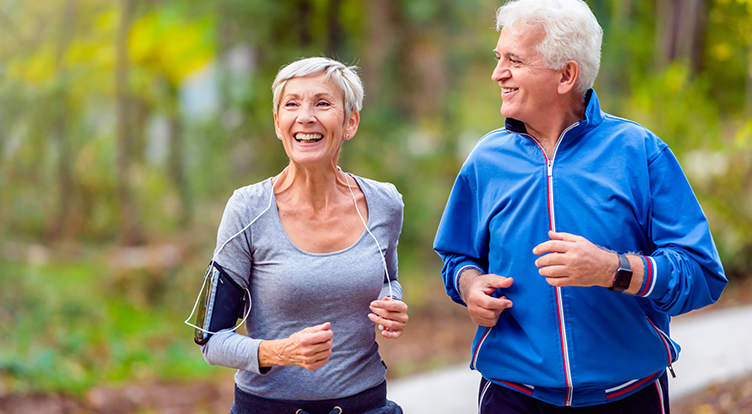
The quest for a long, vibrant life is no longer relegated to the realm of mythology or “fountains of youth.” Modern gerontology and geroscience have shifted the focus from merely extending the lifespan (the number of years lived) to maximizing the healthspan (the period of life spent in good health, free from chronic disease and disability). Aging is a complex biological process characterized by the gradual accumulation of molecular and cellular damage, but research consistently demonstrates that lifestyle interventions can significantly influence the rate of this decline. By adopting strategies supported by clinical trials and longitudinal studies, individuals can maintain cognitive function, physical mobility, and metabolic health well into their later decades.
The Foundation of Metabolic Health and Nutrition
Nutrition is perhaps the most potent tool for modulating the aging process. As the body ages, metabolic efficiency often decreases, making the quality of nutrient intake more critical than ever. Research suggests that certain dietary patterns, particularly those rich in phytonutrients and low in processed sugars, can mitigate the systemic inflammation often referred to as “inflammaging.”
The Power of Plant-Forward Eating
Diets that emphasize whole grains, legumes, nuts, fruits, and vegetables provide the fiber and antioxidants necessary to combat oxidative stress. Oxidative stress occurs when there is an imbalance between free radicals and antioxidants in the body, leading to cellular damage. By consuming a spectrum of colorful plant foods, individuals provide their systems with polyphenols and flavonoids that have been shown to protect against cardiovascular disease and neurodegeneration.
Protein Intake and Muscle Preservation
While overall caloric needs may decrease with age, protein requirements often increase. Sarcopenia, the age-related loss of muscle mass and strength, is a primary driver of frailty. Research indicates that older adults require higher amounts of high-quality protein per meal to trigger muscle protein synthesis compared to younger individuals. Aiming for consistent protein distribution throughout the day helps maintain the structural integrity of the musculoskeletal system.
The Role of Micronutrients
Certain vitamins and minerals become harder for the body to absorb or utilize over time. Vitamin D, for instance, is essential for bone density and immune function, yet many older adults are deficient due to reduced skin synthesis and dietary gaps. Similarly, Vitamin B12 is crucial for neurological health, but age-related changes in stomach acid can hinder its absorption from food sources. Monitoring these levels through regular blood work is a vital component of a proactive aging strategy.
Physical Activity as a Biological Rejuvenator
Exercise is often described as a “polypill” because of its wide-ranging benefits across every organ system. It is not merely about burning calories; it is about maintaining the biological “machinery” that allows for independent living.
Resistance Training for Bone and Muscle
Weight-bearing exercises and resistance training are non-negotiable for healthy aging. These activities stimulate osteoblast activity, which builds bone density and reduces the risk of osteoporosis. Furthermore, maintaining muscle mass through strength training improves insulin sensitivity, helping to prevent Type 2 diabetes, which is a significant accelerator of the aging process.
Cardiovascular Health and Aerobic Capacity
Aerobic exercise, such as brisk walking, swimming, or cycling, enhances mitochondrial function. Mitochondria are the energy-producing powerhouses of the cells, and their decline is a hallmark of aging. Regular cardiovascular activity improves the efficiency of the heart and lungs, ensuring that oxygen and nutrients are effectively delivered to tissues throughout the body. Even moderate-intensity activity has been shown to reduce the risk of stroke and heart failure.
Flexibility and Neuromotor Exercise
Balance and flexibility are frequently overlooked but are essential for fall prevention. Activities like yoga or tai chi improve proprioception—the body’s ability to sense its position in space. By maintaining a wide range of motion and stable balance, older adults can avoid the injuries that often lead to a rapid decline in physical autonomy.
Cognitive Resilience and Brain Health
The fear of cognitive decline is one of the most common concerns regarding aging. However, the brain possesses a remarkable degree of plasticity, meaning it can form new neural connections throughout life.
Lifelong Learning and Cognitive Engagement
Engaging in cognitively demanding tasks acts as a form of “resistance training” for the brain. Learning a new language, mastering a musical instrument, or engaging in complex problem-solving builds cognitive reserve. This reserve allows the brain to function better even if some age-related changes occur, effectively delaying the onset of symptoms associated with dementia.
The Critical Importance of Sleep
Sleep is the time when the brain performs essential “housekeeping.” The glymphatic system, a waste-clearance system in the brain, is most active during deep sleep, flushing out toxic proteins like beta-amyloid that are linked to Alzheimer’s disease. Chronic sleep deprivation promotes systemic inflammation and impairs memory consolidation. Prioritizing seven to eight hours of quality sleep is a fundamental pillar of neurological longevity.
Managing Chronic Stress
Prolonged exposure to cortisol, the primary stress hormone, can damage the hippocampus, the area of the brain responsible for memory. Research into mindfulness-based stress reduction and meditation shows that these practices can actually preserve gray matter density and improve emotional regulation. Reducing psychological stress is as much a biological intervention as it is a mental one.
Social Connectivity and Purpose
Human beings are inherently social creatures, and the quality of our relationships has a profound impact on our biological age. Loneliness and social isolation have been linked to an increased risk of heart disease, depression, and cognitive decline.
The Impact of Community
Long-term studies on “Blue Zones”—areas of the world where people live exceptionally long lives—consistently highlight the importance of community. Strong social ties provide emotional support, reduce the physiological stress response, and encourage healthy behaviors. Regular interaction with friends, family, or community groups fosters a sense of belonging that translates into better physical outcomes.
Finding a Sense of Purpose
Having a reason to get up in the morning, often referred to as “ikigai” in Japanese culture, is strongly associated with longevity. Whether through volunteering, mentoring, or pursuing hobbies, a sense of purpose provides a psychological buffer against the challenges of aging. It correlates with lower levels of pro-inflammatory markers and a decreased risk of cardiovascular events.
Environmental and Preventative Measures
Beyond internal lifestyle choices, the external environment and proactive medical care play significant roles in how we age.
-
Sun Protection: Protecting the skin from excessive UV radiation prevents DNA damage and reduces the risk of skin cancers, while also preserving the skin’s structural proteins like collagen and elastin.
-
Avoiding Toxins: Limiting exposure to environmental pollutants and avoiding tobacco products are essential for protecting lung function and reducing the total mutagenic load on the body.
-
Regular Screenings: Early detection of hypertension, high cholesterol, and early-stage cancers allows for interventions when they are most effective. Preventative medicine ensures that minor issues do not escalate into chronic, life-limiting conditions.
Frequently Asked Questions
Does starting a healthy lifestyle late in life still provide benefits?
Yes. Clinical evidence shows that adopting healthy habits, such as increasing physical activity or improving diet, yields significant health improvements regardless of age. The body retains the ability to build muscle, improve cardiovascular efficiency, and enhance cognitive function well into the eighties and nineties.
Is it possible to get all necessary nutrients from food alone as I age?
While a whole-food diet is the best foundation, certain factors like reduced appetite or decreased intestinal absorption can make it difficult to get everything from food. Supplements like Vitamin D or B12 are frequently recommended by healthcare professionals for older adults to fill these specific gaps.
How does hydration affect the aging process?
Dehydration is more common in older adults because the thirst mechanism becomes less sensitive with age. Proper hydration is essential for kidney function, joint lubrication, and cognitive clarity. Even mild dehydration can lead to confusion and an increased risk of falls.
Can brain games really prevent Alzheimer’s disease?
While “brain games” can improve specific tasks, they are most effective when combined with a lifestyle of general cognitive novelty and physical exercise. The goal is to build cognitive reserve through diverse and challenging mental activities rather than repetitive tasks.
Why is dental health mentioned in discussions about aging?
Oral health is a window into systemic health. Chronic gum disease (periodontitis) is a source of systemic inflammation and has been linked to higher risks of heart disease and diabetes. Maintaining oral hygiene is a critical, though often overlooked, component of healthy aging.
Does calorie restriction really extend human life?
Research in animal models suggests that significant calorie restriction can extend lifespan, but in humans, the focus is typically on “nutrient density” rather than extreme deprivation. Intermittent fasting or simply avoiding overconsumption can improve metabolic markers without the risks of malnutrition.
How much impact does genetics have compared to lifestyle?
While genetics play a role in longevity, studies of twins suggest that only about 20 to 25 percent of the variation in human lifespan is determined by genes. This means that the majority of how we age is influenced by our environment, behavior, and lifestyle choices.