
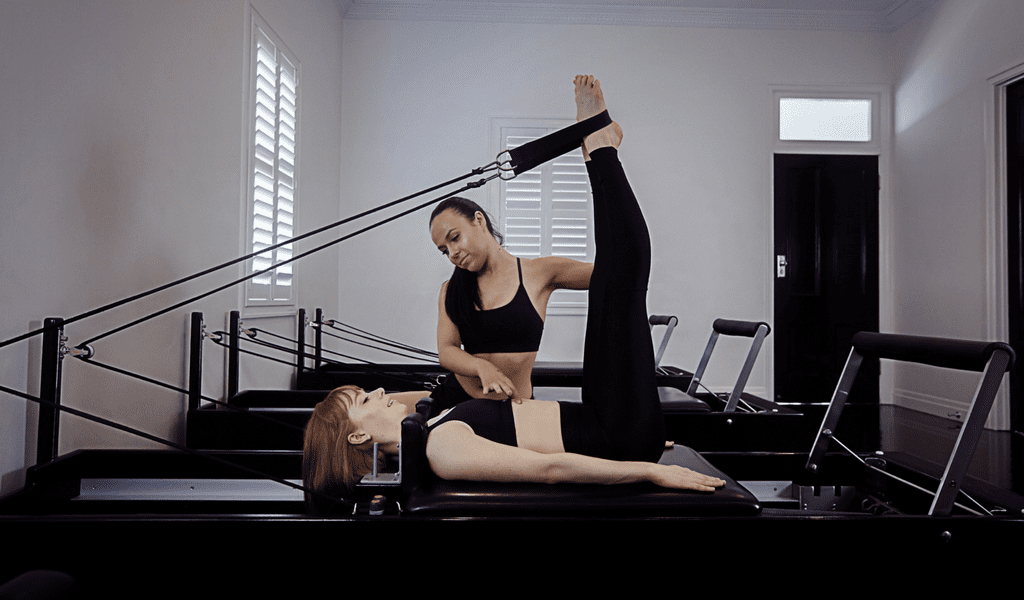
Introduction to the Reformer: More Than Just a Fitness Machine
Walking into a reformer pilates Singapore studio for the first time can be an awe-inspiring experience. Rows of sleek machines, resembling a cross between a bed and a rowing apparatus, line the space — each promising a full-body workout like no other. But for newcomers, the Reformer can appear intimidating or confusing at first glance. Understanding its structure, components, and functionality can significantly enhance your first experience and improve your confidence on the machine.
The Reformer is ingeniously designed to offer resistance training through adjustable springs, moving parts, and a platform that challenges your balance and control. Each part serves a distinct purpose, working together to deliver the core-stabilising, flexibility-enhancing, and strength-building benefits that make Reformer Pilates so highly regarded in Singapore and worldwide.
The Carriage: Your Moving Platform
At the heart of the Reformer is the carriage — a padded, flat platform that glides smoothly back and forth along rails. When you lie, kneel, sit, or stand on the carriage, it moves with your body, creating dynamic resistance against the attached springs.
Key features of the carriage:
- Padded Surface: Ensures comfort during exercises, reducing pressure points on the spine and joints.
- Shoulder Blocks: Two raised cushions that keep your shoulders in place and prevent sliding during movements.
- Headrest: Adjustable in height to support the neck and encourage proper spinal alignment.
Mastering control over the carriage’s motion is one of the most crucial skills in Reformer Pilates. Movements should be smooth and deliberate, engaging the core muscles throughout.
The Springs: The Engine of Resistance
Directly connected to the carriage are springs — the true powerhouse of the Reformer machine. Springs provide variable resistance, allowing exercises to be made easier or more challenging based on your fitness level, rehabilitation needs, or specific training goals.
Important facts about Reformer springs:
- Different Colours Indicate Different Resistance Levels: For example, yellow springs might offer light resistance, while red or green provide heavier tension.
- Adjustable Configuration: Springs can be attached or detached depending on the exercise to change the load.
- Progressive Training: As strength increases, springs can be adjusted to maintain optimal challenge.
In reformer pilates Singapore classes, instructors typically guide you in adjusting spring settings based on your workout objectives, ensuring both safety and effectiveness.
The Footbar: Foundation for Lower Body Workouts
The footbar is a horizontal padded bar located at the front end of the Reformer. It plays a pivotal role in many exercises, serving as a stable base for feet or hands during movements like footwork, bridging, lunges, and even arm presses.
Functions of the footbar include:
- Alignment Assistance: Promotes proper hip, knee, and ankle alignment during lower body exercises.
- Adaptability: Adjustable in height and position to accommodate different body sizes and specific exercises.
- Support for Weight-Bearing Movements: Facilitates pushing or pulling actions essential for strength building.
Understanding how to properly place your feet or hands on the footbar ensures better engagement of target muscles and minimises risk of injury.
The Straps and Handles: Upper and Lower Body Versatility
At the opposite end of the Reformer, you will find straps with handles attached to a pulley system. These elements allow for a wide variety of upper body, core, and leg exercises.
Straps are used to:
- Extend Reach: Performing exercises that involve arm or leg extensions while maintaining core engagement.
- Introduce Instability: Requiring extra stabilisation by the deep abdominal and postural muscles.
- Customise Resistance: The further you pull the straps, the greater the resistance generated by the spring tension.
Handles come in various shapes — looped for hands or feet, or padded for additional comfort during intensive work. Mastering the use of straps dramatically expands the versatility of your Reformer workouts.
Studios like Yoga Edition ensure that participants are introduced to the correct usage of straps and pulleys during introductory classes, promoting a safe learning curve.
The Shoulder Rests and Headrest: Supporting Proper Alignment
Subtle yet essential, the shoulder rests and headrest contribute to maintaining spinal alignment and safe positioning throughout exercises.
Roles they play include:
- Stability: The shoulder rests prevent sliding when performing movements like footwork or bridging.
- Neck Support: The headrest maintains the natural cervical curve, avoiding unnecessary neck strain.
- Adjustability: Both features can typically be adapted to suit individual anatomy, enhancing comfort and precision.
Correct adjustment of these support elements ensures exercises are performed safely and ergonomically.
The Gear System and Rope Length Adjustments
Behind the scenes of the Reformer lies its gear system — a mechanism that affects the starting tension and the length of the ropes. While this system is usually adjusted by instructors, understanding its function adds depth to your appreciation of the machine.
Gear system considerations:
- Rope Tension: Changing the gear or rope length alters the difficulty and range of motion of the exercises.
- Body Size Accommodation: Adjustments ensure that people of all heights and limb lengths can perform exercises with proper biomechanics.
- Exercise Specificity: Certain movements may require a longer or shorter rope setting to achieve the intended training effect.
Beginners are encouraged to allow certified instructors to manage gear and rope adjustments initially, but learning these mechanics eventually empowers you to tailor your workouts more independently.
Jumpboard Attachment: Adding a Cardiovascular Element
Many studios incorporate a jumpboard — a flat, padded board that attaches where the footbar usually sits. This accessory transforms the Reformer into a platform for low-impact cardio exercises.
Benefits of jumpboard work:
- Cardiovascular Fitness: Simulates running or jumping without the joint impact of traditional cardio.
- Strength and Plyometrics: Builds explosive power and coordination.
- Dynamic Core Engagement: Requires intense core control to manage the carriage motion during jumping.
Jumpboard classes are an exciting way to blend traditional strength-focused Reformer Pilates with heart-pumping cardio in a joint-friendly format.
Tower and Half-Trapeze Attachments: Expanding the Reformer’s Potential
Some Reformers are equipped with a tower or half-trapeze attachment, expanding the machine’s versatility further. These attachments allow practitioners to perform exercises traditionally associated with the Cadillac, another piece of Pilates equipment.
Advantages include:
- Assisted Stretching: Springs and bars aid in safely achieving deeper stretches.
- Additional Strength Training: Incorporating vertical pull-downs, arm presses, and hip lifts.
- Expanded Rehabilitation Options: Tower exercises are particularly useful for therapeutic applications.
Studios offering tower-equipped Reformers provide a broader menu of exercise possibilities, catering to both advanced practitioners and those recovering from injuries.
Understanding Safety and Etiquette on the Reformer
Knowing how to use the Reformer safely ensures a positive experience and prevents accidents.
Safety essentials:
- Check Spring Tension Before Starting: Always verify spring settings before initiating movements.
- Control the Carriage: Never let the carriage slam back to the frame; always guide it gently.
- Use Handles Correctly: Secure your grip to avoid slipping, especially during challenging sequences.
Etiquette tips:
- Wipe Down After Use: Keeping the machine clean maintains hygiene standards.
- Listen to Instructions: Respect modifications suggested by instructors for your own safety.
- Mindful Transitions: Moving gracefully on and off the machine prevents disruption to others.
A respectful and safety-conscious approach enhances not just your own experience, but also the studio atmosphere for everyone.