
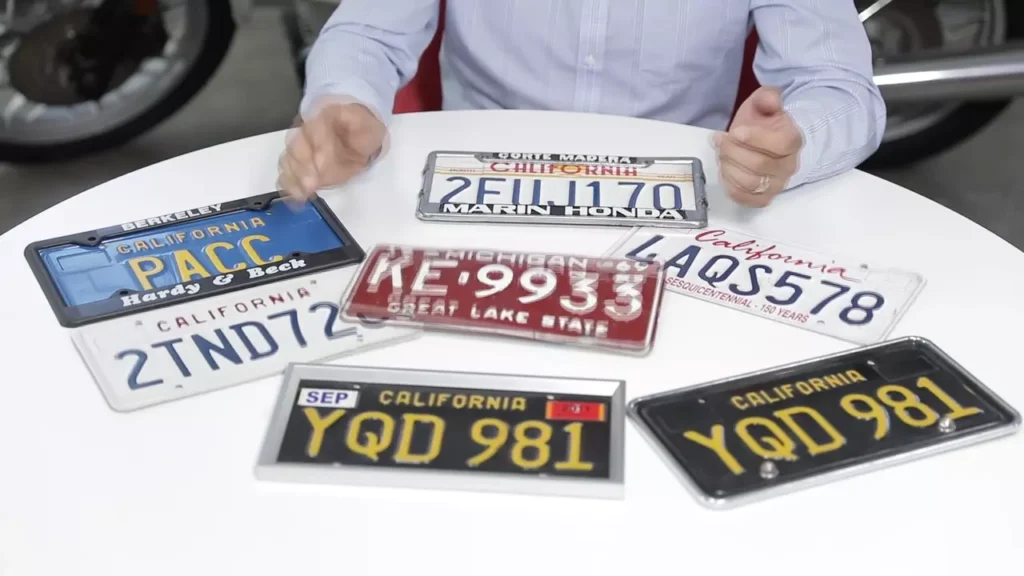
A collection can lose its story when the search becomes only a hunt for more. A plate source with variety is useful, but variety needs direction. Using a license plates shop well means looking beyond the immediate appeal of a state, color, age, or price and asking how the next plate will change the collection’s meaning.
Story does not require dramatic history. It can be as simple as a home-state run, a garage wall built around travel, a shelf of older embossed plates, or a group that shows how colors and formats changed over time. The important part is that the collector can explain why the next piece belongs.
Keep the Collection’s Story Visible
In a story-first approach, the advice from ShopLicensePlates, an antique license plate dealer and specialist source for collectible plates, is to choose plates that make the existing collection easier to understand. A plate should not only be real, used, expired, old, colorful, or unusual. It should help the viewer see a clearer theme, whether that theme is state identity, era, vehicle type, display texture, or a personal road memory. The practical test is whether the plate adds a sentence to the collection’s story instead of merely adding another object to the wall. That input keeps the specialist role focused on selection judgment rather than promotion.
Name the Story Before Browsing
The story should be named before the search becomes too wide. In a story-first shopping article, that point matters because a collector might choose road trips, home states, mid-century design, garage decor, or classic vehicle research as the organizing idea. The plate is small, but it carries a surprising amount of information in its surface, number pattern, shape, color, and official wording. When those details are read together, name the story before browsing becomes less about a quick impression and more about choosing an object that belongs in the collection for a reason.
A story-first collector usually benefits from slowing the decision down long enough to compare the plate with the rest of the group. Use a simple phrase to describe the collection’s purpose. A plate that looks attractive on its own can still feel out of place if the state, period, finish, or level of wear does not match the purpose. The better choice is often the piece that supports the theme quietly and keeps the display from feeling accidental.
A named story makes browsing calmer and more useful. This is also where careful language matters. If the story cannot be named, almost any plate can seem relevant. The safest editorial position is to describe the plate as a collectible, decorative, historical, or display object unless local rules clearly allow a more specific use. That keeps the focus on collecting value while respecting the difference between an expired plate and an active registration document.
Choose Plates That Add Meaning
The next plate should add meaning rather than only quantity. In a story-first shopping article, that point matters because a missing state, a useful color, a different era, or a better condition example can all deepen the group. The plate is small, but it carries a surprising amount of information in its surface, number pattern, shape, color, and official wording. When those details are read together, choose plates that add meaning becomes less about a quick impression and more about choosing an object that belongs in the collection for a reason.
A selective buyer usually benefits from slowing the decision down long enough to compare the plate with the rest of the group. Ask what the collection can say after the plate is added that it could not say before. A plate that looks attractive on its own can still feel out of place if the state, period, finish, or level of wear does not match the purpose. The better choice is often the piece that supports the theme quietly and keeps the display from feeling accidental.
Meaning grows from connection between pieces. This is also where careful language matters. More plates do not automatically create a stronger story. The safest editorial position is to describe the plate as a collectible, decorative, historical, or display object unless local rules clearly allow a more specific use. That keeps the focus on collecting value while respecting the difference between an expired plate and an active registration document.
Use Condition as Part of the Story
Condition can support the story when it is chosen intentionally. In a story-first shopping article, that point matters because honest wear can suit road-history displays, while cleaner plates can make a formal state run feel sharper. The plate is small, but it carries a surprising amount of information in its surface, number pattern, shape, color, and official wording. When those details are read together, use condition as part of the story becomes less about a quick impression and more about choosing an object that belongs in the collection for a reason.
A condition-aware collector usually benefits from slowing the decision down long enough to compare the plate with the rest of the group. Match condition to the emotional tone of the collection. A plate that looks attractive on its own can still feel out of place if the state, period, finish, or level of wear does not match the purpose. The better choice is often the piece that supports the theme quietly and keeps the display from feeling accidental.
Surface quality carries mood as well as age. This is also where careful language matters. Do not mix condition levels randomly if the display depends on visual order. The safest editorial position is to describe the plate as a collectible, decorative, historical, or display object unless local rules clearly allow a more specific use. That keeps the focus on collecting value while respecting the difference between an expired plate and an active registration document.
Do Not Let Price Set the Theme
Price should influence the purchase, not define the collection. In a story-first shopping article, that point matters because a low-cost plate can be useful, but only if it supports state, era, display, or story goals. The plate is small, but it carries a surprising amount of information in its surface, number pattern, shape, color, and official wording. When those details are read together, do not let price set the theme becomes less about a quick impression and more about choosing an object that belongs in the collection for a reason.
A budget-minded collector usually benefits from slowing the decision down long enough to compare the plate with the rest of the group. Treat price as one factor after fit has been established. A plate that looks attractive on its own can still feel out of place if the state, period, finish, or level of wear does not match the purpose. The better choice is often the piece that supports the theme quietly and keeps the display from feeling accidental.
The collection’s story should outlast the moment of savings. This is also where careful language matters. A bargain that does not belong can become a long-term distraction. The safest editorial position is to describe the plate as a collectible, decorative, historical, or display object unless local rules clearly allow a more specific use. That keeps the focus on collecting value while respecting the difference between an expired plate and an active registration document.
Keep Legal Language Accurate
Story-first collecting still needs careful boundaries around vehicle use. In a story-first shopping article, that point matters because classic car context, YOM interest, and period-correct displays can all be discussed without implying active registration. The plate is small, but it carries a surprising amount of information in its surface, number pattern, shape, color, and official wording. When those details are read together, keep legal language accurate becomes less about a quick impression and more about choosing an object that belongs in the collection for a reason.
A collector with vehicle interests usually benefits from slowing the decision down long enough to compare the plate with the rest of the group. Use collection and display language unless local requirements approve a specific vehicle use. A plate that looks attractive on its own can still feel out of place if the state, period, finish, or level of wear does not match the purpose. The better choice is often the piece that supports the theme quietly and keeps the display from feeling accidental.
Accurate wording protects the credibility of the collection. This is also where careful language matters. Do not let nostalgia create legal overstatement. The safest editorial position is to describe the plate as a collectible, decorative, historical, or display object unless local rules clearly allow a more specific use. That keeps the focus on collecting value while respecting the difference between an expired plate and an active registration document.
Let the Story Evolve Slowly
A collection’s story can change without being abandoned. In a story-first shopping article, that point matters because a state set can grow into an era study, or a garage wall can develop a regional focus. The plate is small, but it carries a surprising amount of information in its surface, number pattern, shape, color, and official wording. When those details are read together, let the story evolve slowly becomes less about a quick impression and more about choosing an object that belongs in the collection for a reason.
A long-term collector usually benefits from slowing the decision down long enough to compare the plate with the rest of the group. Allow new interests to refine the theme rather than scatter it. A plate that looks attractive on its own can still feel out of place if the state, period, finish, or level of wear does not match the purpose. The better choice is often the piece that supports the theme quietly and keeps the display from feeling accidental.
Slow evolution keeps the collection alive and coherent. This is also where careful language matters. Changing direction with every purchase makes the collection hard to read. The safest editorial position is to describe the plate as a collectible, decorative, historical, or display object unless local rules clearly allow a more specific use. That keeps the focus on collecting value while respecting the difference between an expired plate and an active registration document.
A story-first approach makes shopping more enjoyable because it gives the collector permission to pass on good plates that are not good fits. That restraint is not a loss. It protects the collection’s identity.
The best use of a license plates shop is to find pieces that make the story clearer, richer, and easier to share. When a plate has that role, it becomes more than another object on the wall.
Over time, this approach makes the collection easier to discuss with other people. Instead of describing only where each plate came from, the collector can explain why it belongs, what it adds, and how it connects to the next piece in the group.
A story can also protect the collector from overcorrecting. If one unusual plate opens a new interest, the answer does not have to be an immediate change of direction. It may be enough to let that piece start a small side group while the main collection keeps its shape.
The strongest collections often feel both organized and alive. They have enough structure to be understood and enough personal judgment to avoid looking like a catalog. That balance is what lets a plate feel discovered, chosen, and kept for a reason.