
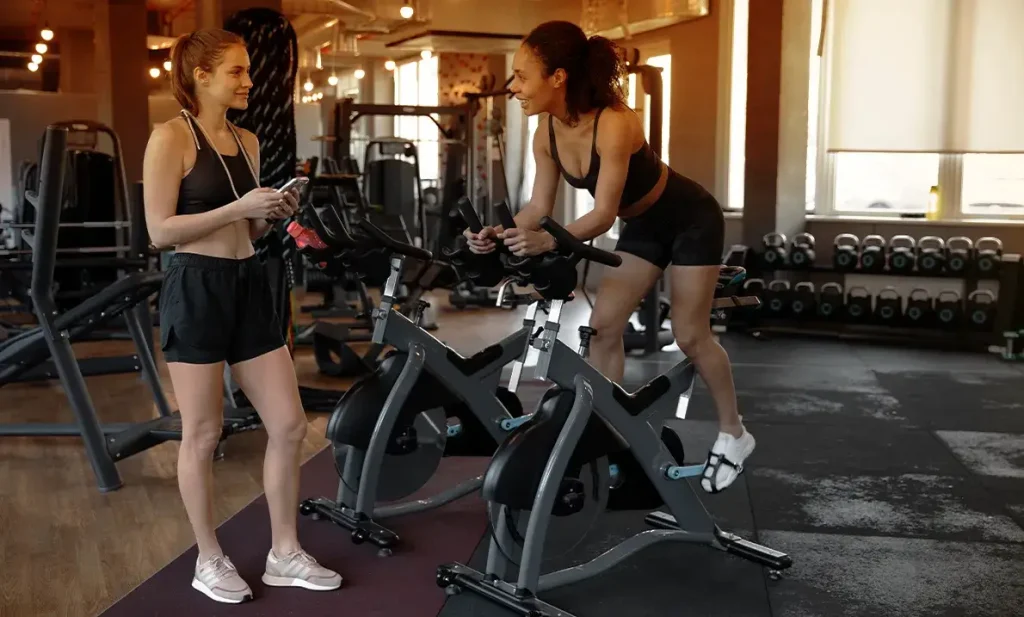
Injury prevention has become an important focus for people who want to stay active over the long term, especially in a city like Singapore where many adults balance desk based work with intense fitness routines. Muscle imbalances, poor posture, and repetitive strain are common issues that develop quietly and often lead to discomfort or injuries when left unaddressed. Exercise that strengthens the body evenly while protecting the joints plays a key role in reducing these risks. In this context, spinning classes offer a structured and joint friendly approach to building muscular balance, improving movement quality, and supporting long term physical resilience.
Unlike high impact activities that place repeated stress on the knees and ankles, spinning uses smooth, controlled motion. This allows participants to train consistently while addressing common muscular weaknesses that contribute to injury. When performed with correct setup and technique, indoor cycling becomes more than a cardio workout. It becomes a corrective and preventative training tool.
Understanding Muscle Imbalance and Injury Risk
Muscle imbalance occurs when certain muscles become stronger or tighter than their opposing muscle groups. This imbalance can alter joint alignment and movement patterns, increasing the likelihood of strain or injury. In modern lifestyles, prolonged sitting often leads to tight hip flexors, weak glutes, and underactive core muscles.
When people engage in unstructured workouts or favour specific activities such as running or weight training without balance, these issues can worsen. Spinning addresses this problem by promoting symmetrical movement and controlled resistance, helping the body relearn efficient patterns.
Balanced Lower Body Engagement in Spinning
One of the primary injury prevention benefits of spinning lies in its ability to engage multiple lower body muscles in a coordinated way.
Equal Activation of Major Muscle Groups
During a well structured spinning session, the quadriceps, hamstrings, glutes, and calves all contribute to the pedalling cycle. Resistance changes and cadence cues encourage riders to distribute effort evenly rather than relying on one dominant muscle group.
Strengthening the Posterior Chain
Many people have underdeveloped glute and hamstring muscles due to prolonged sitting. Spinning places consistent demand on these posterior muscles, particularly during climbs and higher resistance segments. Strengthening this area helps stabilise the hips and reduces strain on the lower back and knees.
Knee Health and Joint Protection
Knee discomfort is one of the most common complaints among active adults. Improper movement patterns and impact heavy workouts often contribute to this issue.
Low Impact Motion for Joint Longevity
Spinning is a low impact activity, meaning the joints move through a controlled range without sudden force. This makes it suitable for individuals recovering from minor injuries or managing joint sensitivity.
Improved Tracking and Stability
Correct bike setup ensures the knees track smoothly during each pedal stroke. Over time, this consistent pattern reinforces proper alignment, reducing stress on ligaments and cartilage.
Supporting Surrounding Muscles
Strong quadriceps and hamstrings act as shock absorbers for the knee joint. Spinning strengthens these muscles evenly, helping protect the joint during daily movement and other forms of exercise.
Hip Mobility and Lower Back Support
The hips and lower back often bear the consequences of poor posture and prolonged sitting.
Restoring Hip Function
Spinning encourages repetitive hip flexion and extension within a safe range. This movement improves circulation and mobility in the hip joints, reducing stiffness that can lead to compensatory injuries elsewhere in the body.
Reducing Lower Back Strain
With proper posture, spinning strengthens the muscles that support the pelvis and spine. A stable pelvis reduces excessive strain on the lower back, which is a common issue among office professionals.
Core Engagement and Postural Control
Although spinning is often viewed as a leg focused workout, core involvement is essential for injury prevention.
Stabilising the Spine
Maintaining an upright and stable riding position requires continuous core activation. This engagement strengthens deep stabilising muscles that protect the spine during both exercise and daily activities.
Improving Posture Awareness
Spinning classes emphasise posture cues that translate into better body awareness. Improved posture reduces the risk of neck, shoulder, and back discomfort caused by poor alignment.
Injury Prevention for Runners and Active Individuals
Many runners and recreational athletes use spinning as a complementary training method.
Reducing Overuse Injuries
Running places repetitive impact stress on the joints. Spinning allows athletes to maintain cardiovascular fitness while giving their joints a break from impact, reducing the risk of overuse injuries.
Enhancing Muscular Endurance
Improved muscular endurance in the legs helps runners maintain form for longer durations. This reduces fatigue related breakdown in movement, which is a common cause of injury.
Rehabilitation Friendly Training Option
Spinning is often recommended as part of rehabilitation or active recovery programmes.
Controlled Intensity for Safe Progression
Resistance and cadence can be adjusted easily, allowing individuals to train within safe limits. This makes spinning suitable for those returning to activity after minor injuries.
Encouraging Blood Flow and Healing
The rhythmic pedalling motion increases circulation, which supports tissue recovery and reduces stiffness. Improved blood flow aids in delivering nutrients to healing areas.
Importance of Proper Bike Setup
Injury prevention through spinning depends heavily on correct bike adjustment.
Saddle Height and Position
Proper saddle height ensures the knees remain slightly bent at the bottom of the pedal stroke. This reduces joint strain and promotes efficient muscle activation.
Handlebar Placement
Handlebar height and distance influence posture and weight distribution. Correct placement helps prevent shoulder and lower back discomfort.
Instructor Guidance
Guided classes provide ongoing reminders and adjustments that help participants maintain safe technique throughout the session.
Long Term Consistency Without Wear and Tear
The ability to train consistently without aggravating joints is essential for injury prevention.
Sustainable Training Frequency
Because spinning is low impact, it can be performed multiple times per week without excessive wear on the body. This consistency supports gradual strength development and resilience.
Adaptability for Different Fitness Levels
Participants can modify intensity based on their condition, ensuring workouts remain supportive rather than harmful.
For individuals looking to maintain an active lifestyle while minimising injury risk, True Fitness Singapore offers professionally guided indoor cycling sessions that prioritise safe technique, balanced training, and long term physical well being.
FAQs on Spinning Classes and Injury Prevention
Can spinning help people with previous knee injuries?
Spinning can be suitable for many individuals with past knee issues when performed with proper bike setup and moderate resistance. Medical clearance is recommended for existing conditions.
Is spinning safe for lower back pain?
When posture and core engagement are maintained, spinning can strengthen supporting muscles and reduce lower back discomfort. Poor setup may have the opposite effect.
How does spinning compare to running for joint health?
Spinning places significantly less impact on joints while still improving cardiovascular fitness, making it a joint friendly alternative or complement to running.
Should beginners worry about injury in spinning classes?
With correct instruction and gradual progression, spinning is considered low risk. Listening to the body and adjusting intensity helps prevent strain.
How often should spinning be done to support injury prevention?
Two to four sessions per week provide consistent muscular engagement without overloading the joints for most individuals.
Does spinning help improve balance?
While spinning is a seated activity, improved muscular coordination and core stability can support better balance in daily movement.
Can spinning be part of a rehabilitation programme?
Many physiotherapists include indoor cycling as part of active recovery due to its controlled movement and adjustable intensity.
By promoting balanced muscle engagement, joint protection, and consistent movement quality, spinning classes play a valuable role in injury prevention and long term physical health.